


Most "sustainable event" pitches are a photo of a tree and a claim nobody checked. We'd rather show you the supplier list: which caterer buys from which market, which cooperative your group actually visits, which camp packs its waste out instead of burning it.
If your CSR policy or ESG framework needs a defensible account of what was done, that's what we build toward — not a badge, a record.
Discuss Your Sustainability Brief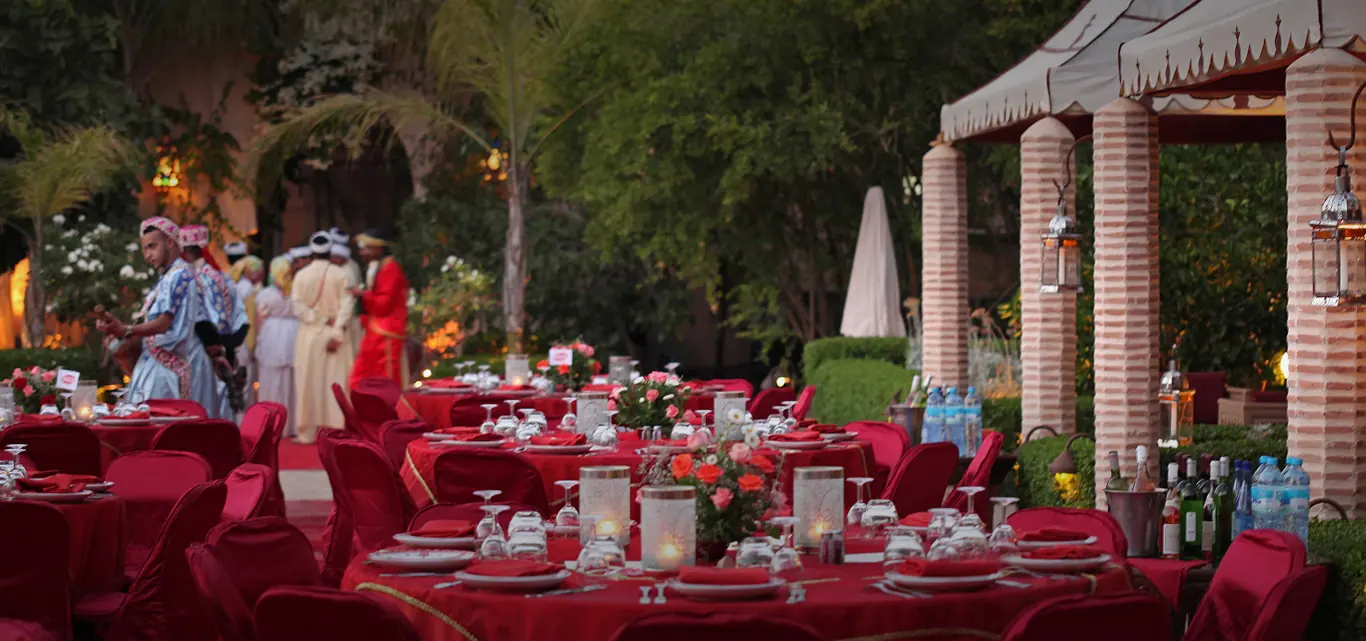
We brief caterers to buy produce from Marrakech's markets and regional growers rather than a boxed, pre-imported catering chain. It doesn't mean every ingredient is local — a large gala menu still needs items the region doesn't produce — but the default is regional first, and we can tell you which dishes on the menu were sourced that way and which weren't.
We work with specific cooperatives we know directly — a women's argan oil cooperative, a weaving collective, a pottery workshop — rather than a generic "cultural experience" booked through a reseller. Groups see the actual work, spend goes straight to the cooperative if they choose to buy, and the visit is sized to what the cooperative can host, not padded to fill an itinerary slot.
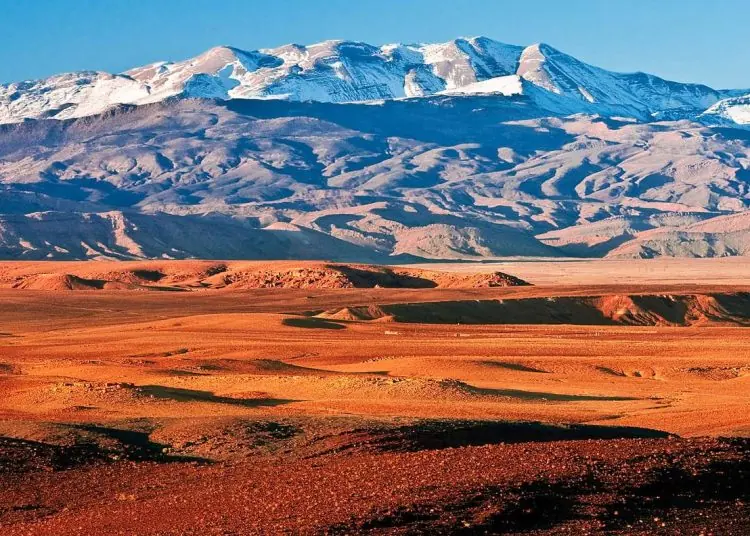
At desert camps this means checking whether waste is packed out or burned on site, and whether water use for a group of your size is something the camp can actually support without trucking in extra supply. At riads it means asking about greywater reuse and solar water heating rather than taking a brochure claim at face value. Some properties do this well. Some don't. We tell you which is which.
After the event, we can put together a written summary of which suppliers and cooperatives were used, roughly how much spend stayed local, and what the community engagement component involved. It's a factual account for your internal reporting, not a certificate — and we won't overstate what a two-day programme actually achieved.
Every component of a responsible event programme, sourced and documented honestly.
Sustainability claims in events are easy to make and hard to verify. Here's where we draw the line.
Morocco has a long-standing tradition of artisan cooperatives — argan oil producers, weaving collectives, pottery workshops — many run by women and organised long before "sustainable events" became a line item on a corporate brief. That's infrastructure we can plug an event into honestly, rather than something built to order for a marketing photo.
Marrakech also sits close to the Agafay plateau and the Atlas foothills, so a desert camp or mountain-village component is usually under an hour away rather than a long internal transfer. That keeps logistics manageable and cuts down on the transport a multi-region itinerary would otherwise need.
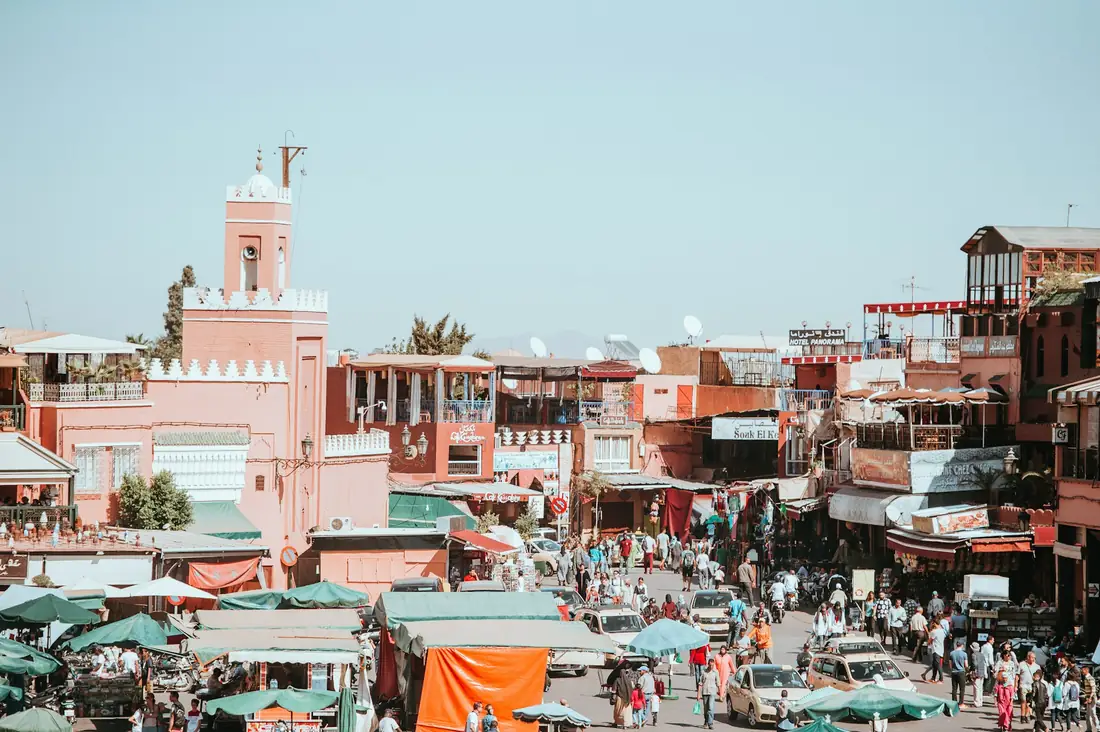
Tell us your sustainability requirements, group size and dates — we respond within 24 hours with an honest, costed proposal.
Ready-made itineraries and destination content to build your client packages from — all available on a B2B net-rate basis.
Local sourcing, cooperative partnerships and transparent reporting — talk with our sustainable events team today.